Deep power

Nuclear power for the world's cargo fleet

80%

of global trade by volume moves by ship

Every one of those ships is rationed by fuel: what it costs, where to get it, and how fast you can afford to go.

  • Speed

    Faster ships

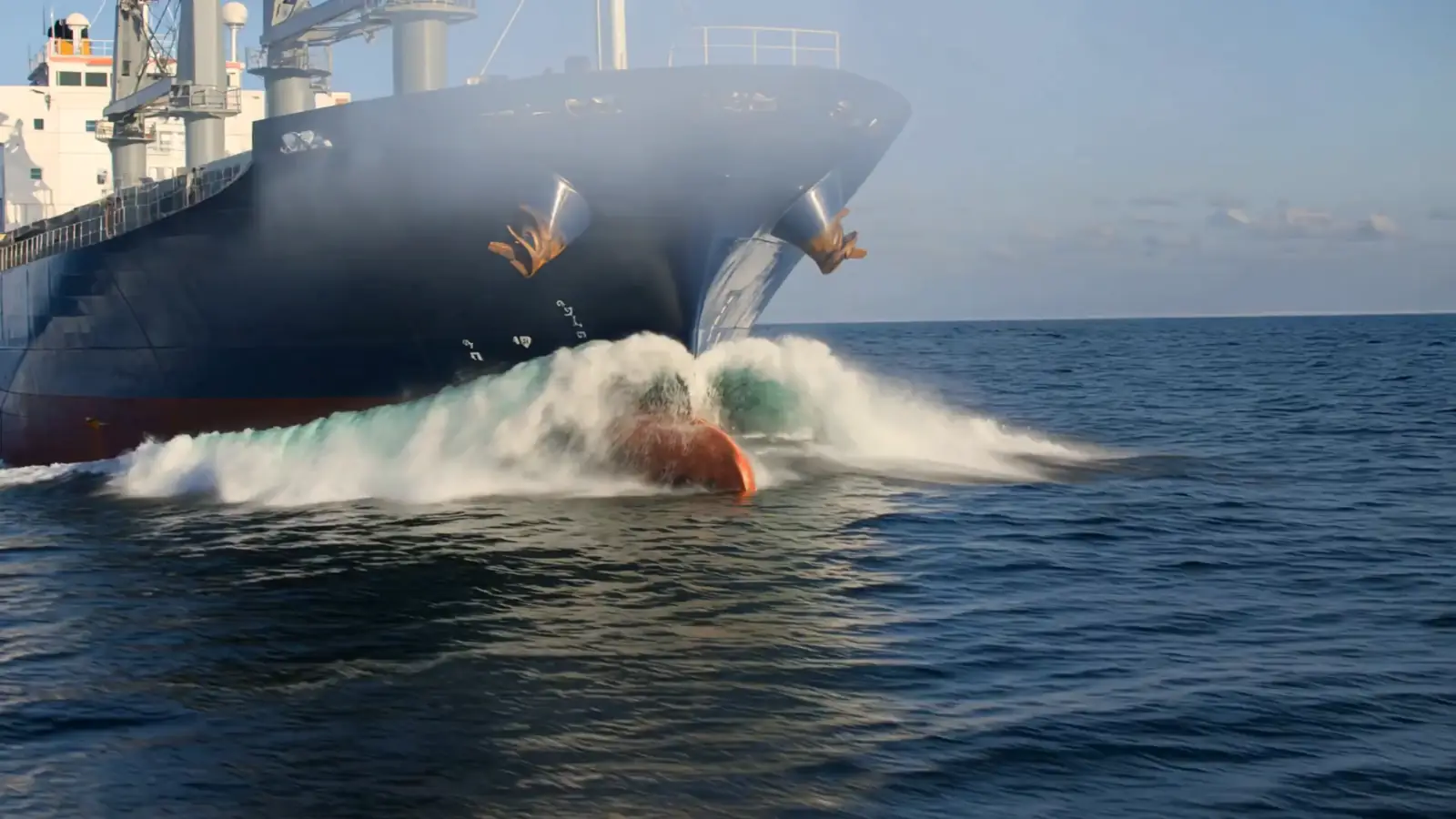
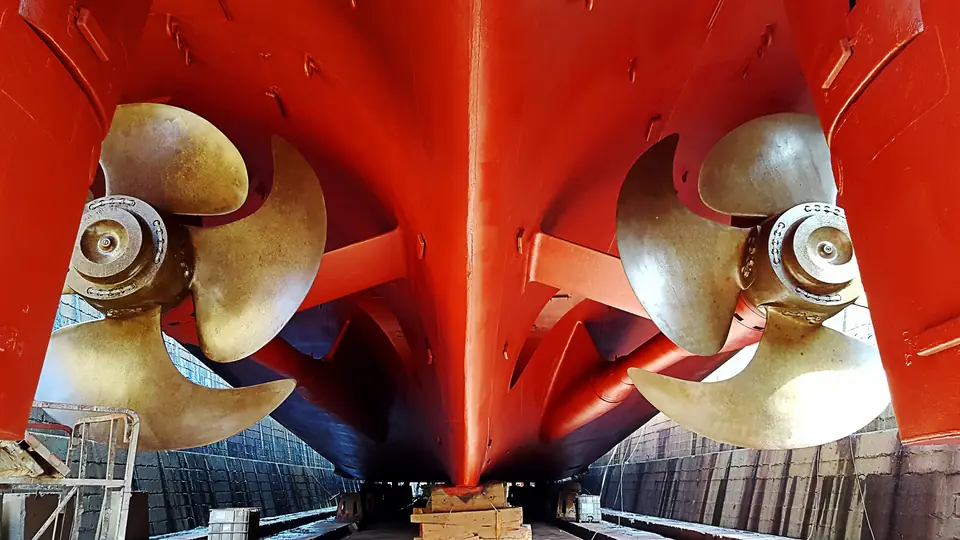
    Fuel sets the speed limit today. Fuel consumption rises with roughly the square of speed, so ships slow down to save fuel.

  • Capacity

    More cargo delivered

    The fuel a ship carries is weight and space it can't sell. A reactor's fuel takes up a fraction of that space.

  • Cost

    Lower fuel cost per unit

    Fuel is roughly half of a voyage's running cost today and follows the oil and gas market. Nuclear fuel is cheaper per-unit with less volatility for more predictable pricing.

  • Emissions

    Zero emissions

    Shipping accounts for close to 3% of global greenhouse gas emissions. A reactor produces none at sea.

Technology

A nuclear module small enough to fit the ship and powerful enough to propel it

Two reactors and one heat exchanger, optimized for life at sea and coupled to a modern steam turbine.

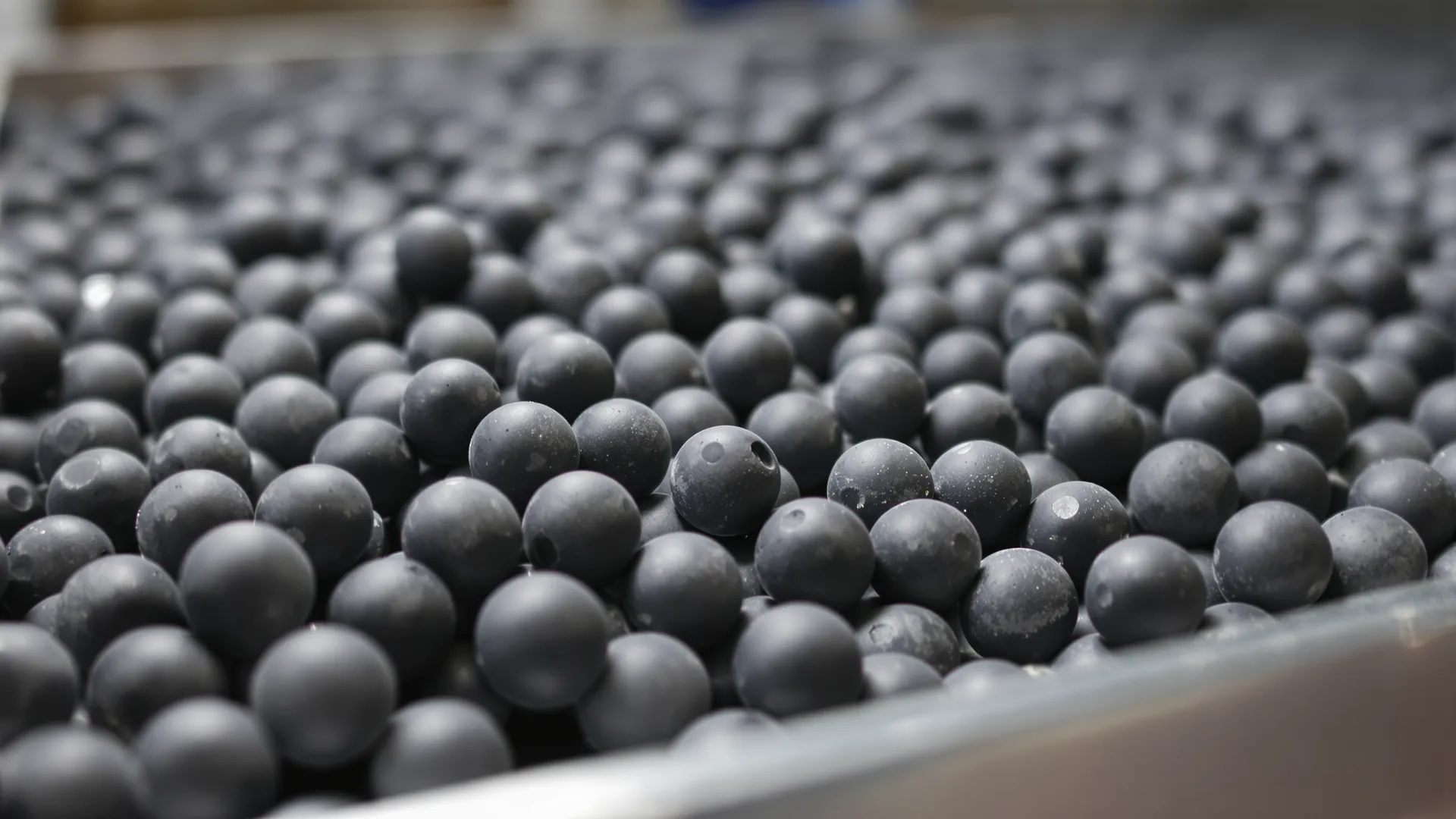
  • Fuel · AGR TRISO pebbles
  • Coolant · Molten salt
  • Refueling · While running
  • Couples to · Modern steam turbines
  • Motion-rated

    Hardened for pitch, roll, and heave.

  • Corrosion-hardened

    Built to last the life of the ship.

  • Safe by design

    Ceramic layers seal every pebble. Heat leaves the core on its own, with no pump to fail.

Why this reactor

The fuel pebbles sit packed together in a pool of molten salt.

The salt flows between them and carries the heat away to make power.

About the pressure of the air you're breathing. Water reactors run at about 150 times that.

Near
atmospheric

About the pressure of the air you're breathing. Water reactors run at about 150 times that.

Salt doesn't boil until 1,430 °C. Running at 650 °C, this reactor never faces a threat of pressure buildup.

650°C

Salt doesn't boil until 1,430 °C. Running at 650 °C, this reactor never faces a threat of pressure buildup.

Low-pressure molten salt system

Unlike other systems that require enormous pressures that introduce risk, ours runs at the same pressure as the air around it.

Pressure Near atmospheric Operating 650 °C Boils 1,430 °C

Pebbles circulate through the core and pass through several times.

Spent pebbles are drawn off into a canister while the reactor keeps running.

Canisters are stored aboard, shielded.

At the pier, canisters come off and fresh ones go on.

Used fuel can go on to land-based reactors that extract the energy left in it.

It refuels while it runs

Used pebbles are collected into sealed canisters while the reactor keeps running. At the pier, a crane swaps them for fresh ones. Over the life of the ship, the owner buys fuel, never a replacement core.

The Earth at night with a single gold route across the Atlantic, from the Texas coast near Sabine Pass to Europe

We start on the transatlantic LNG route

One module. Many maritime applications

One module. Many maritime applications

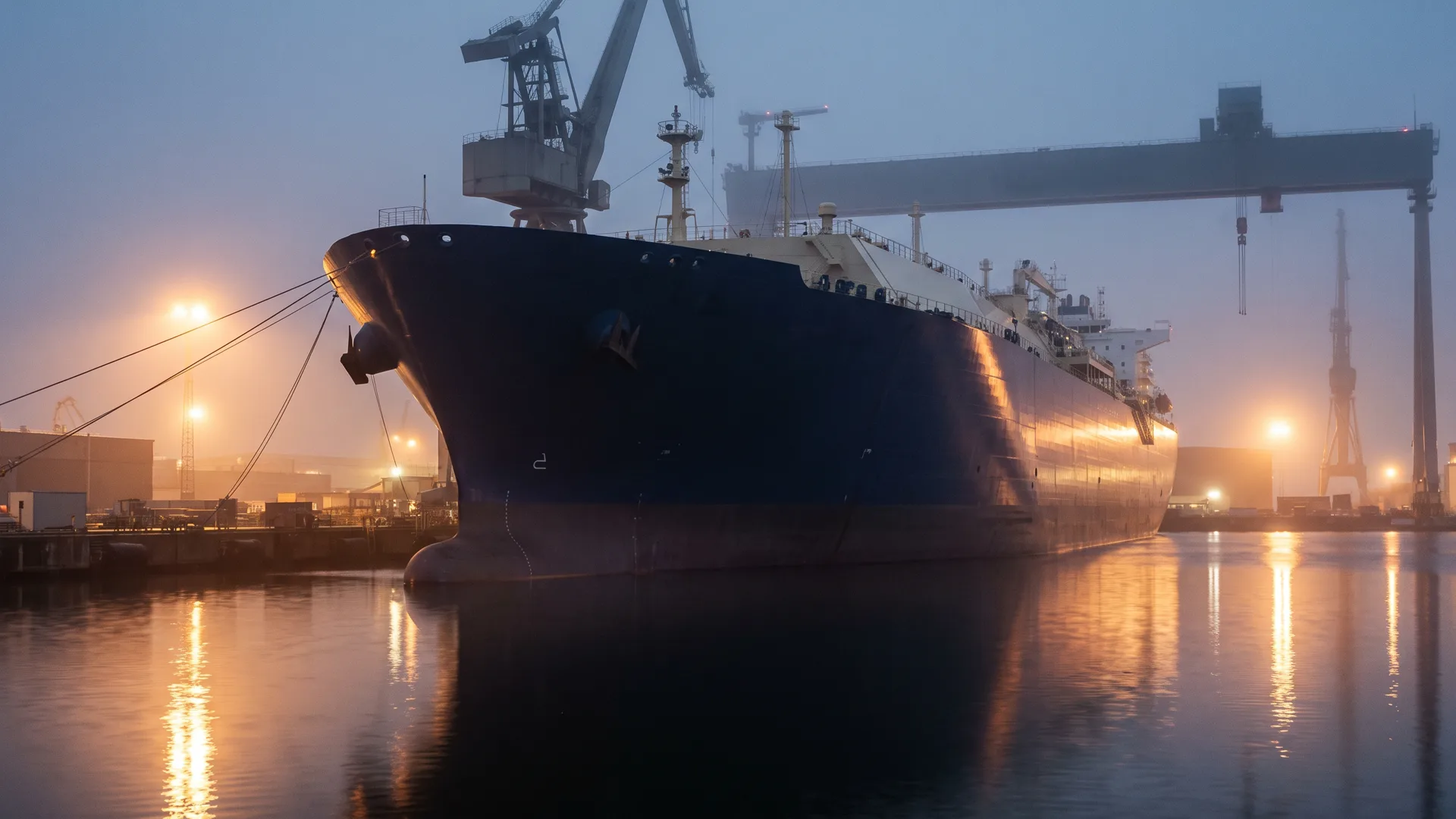
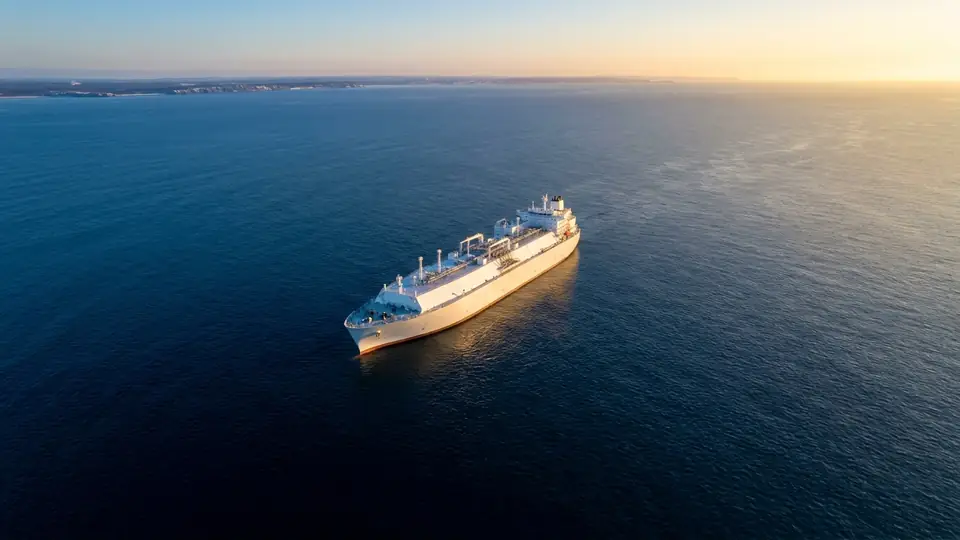
LNG carriers

Start on the transatlantic LNG run

The reactor matches the turbines some of the fleet already run. No bunker fuel to buy, and the boil-off gas they burn today becomes cargo to sell.

Partner with us

Container ships

Then container ships

Container ships on time-sensitive runs, where speed changes the business.

Partner with us

Bulk and deep-sea

Then the rest of the fleet

Bulk carriers and deep-sea trade, the rest of the fleet as it renews.

Partner with us

Government and defense

Extending the American nuclear advantage

Our technology complements the Navy's world-leading nuclear heritage with support ships and mobile floating power that deliver the power, goods, or fuel that contested logistics require.

Partner with us

Power ships

Power where there is no grid

A power ship moors at a port, an island or a disaster zone and plugs into the shore.

Partner with us

Cruise ships

A small city at sea

Lights, kitchens, cooling and propellers. One module can carry all of it, with no exhaust at sea.

Partner with us

Data-center ships

Steady power for computing

A floating data center can moor where it's needed and run on steady power from its own reactor.

Partner with us

Founders

Per Peterson

Founder, President & CEO

Per Peterson, Ph.D.

Co-founder and former Chief Nuclear Officer of a leading US advanced-reactor company. UC Berkeley Professor of Nuclear Engineering for 35 years. Member, National Academy of Engineering. Commissioner, Blue Ribbon Commission on America's Nuclear Future.

Chris Payne

Co-founder & COO

Chris Payne

Ex-BCG with a focus across energy, industrial goods, and defense. Decorated Special Forces Green Beret with five deployments across six countries. MBA from The University of Chicago Booth School of Business.

Advisors

  • Maritime nuclear

    Jan Emblemsvåg

    Professor at NTNU; leads Europe's nuclear-shipping research consortium; former SVP Ship Design, Rolls-Royce Marine

  • National security

    Pranay Vaddi

    Former White House Senior Director for Arms Control and Nonproliferation

Working with

Let's build the engine that powers global trade

Thanks. You're on the list.
That didn't go through. Check the address and try again.